Learning products people finish
The problems I hear most
- .01
Strong sign-ups, weak completion
Most learners leave quietly in the first two weeks. The problem is usually motivation design, not content.
- .02
Progress that learners can't see
Without a clear sense of where they are and what's next, effort feels pointless.
- .03
Teachers and parents left out
The buyer and the supporter are often not the learner. Their tools are usually an afterthought.
- .04
Content-heavy, interaction-light
Video after video with nothing to do. Learning sticks when people practise, not when they watch.
What good looks like in Edtech
- Onboarding that sets a goal and a realistic schedule
- Visible progress, streaks and milestones that motivate without nagging
- Practice and feedback loops inside every lesson
- Teacher and parent dashboards that show what needs attention
- A brand that feels encouraging, not childish or corporate
Work in Edtech
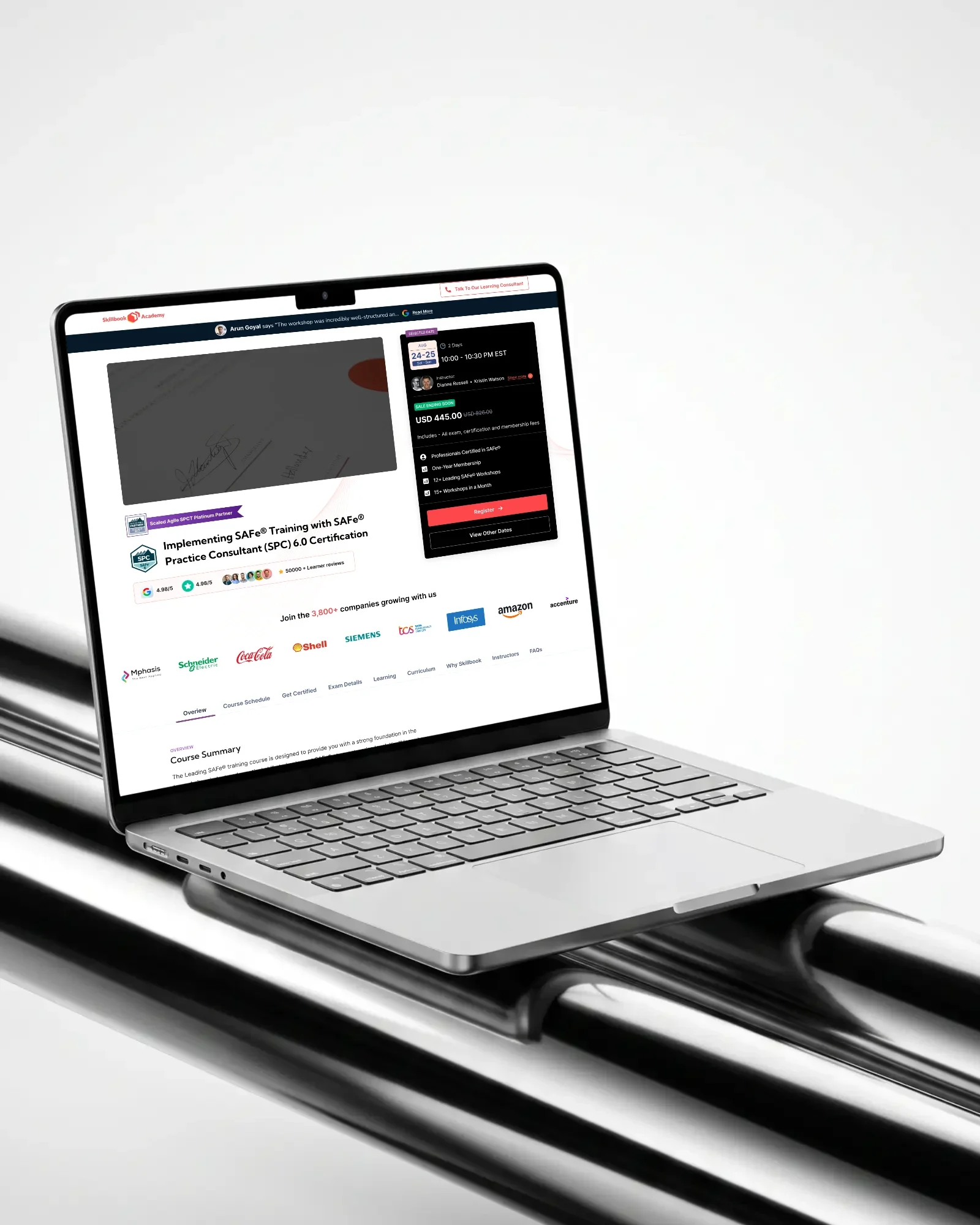
Skillbook Academy
Skillbook Academy: course pages built to be found and finished
Landing pages for the academy's certification courses, designed for discoverability and sign-ups. Drop-offs fell 60%.
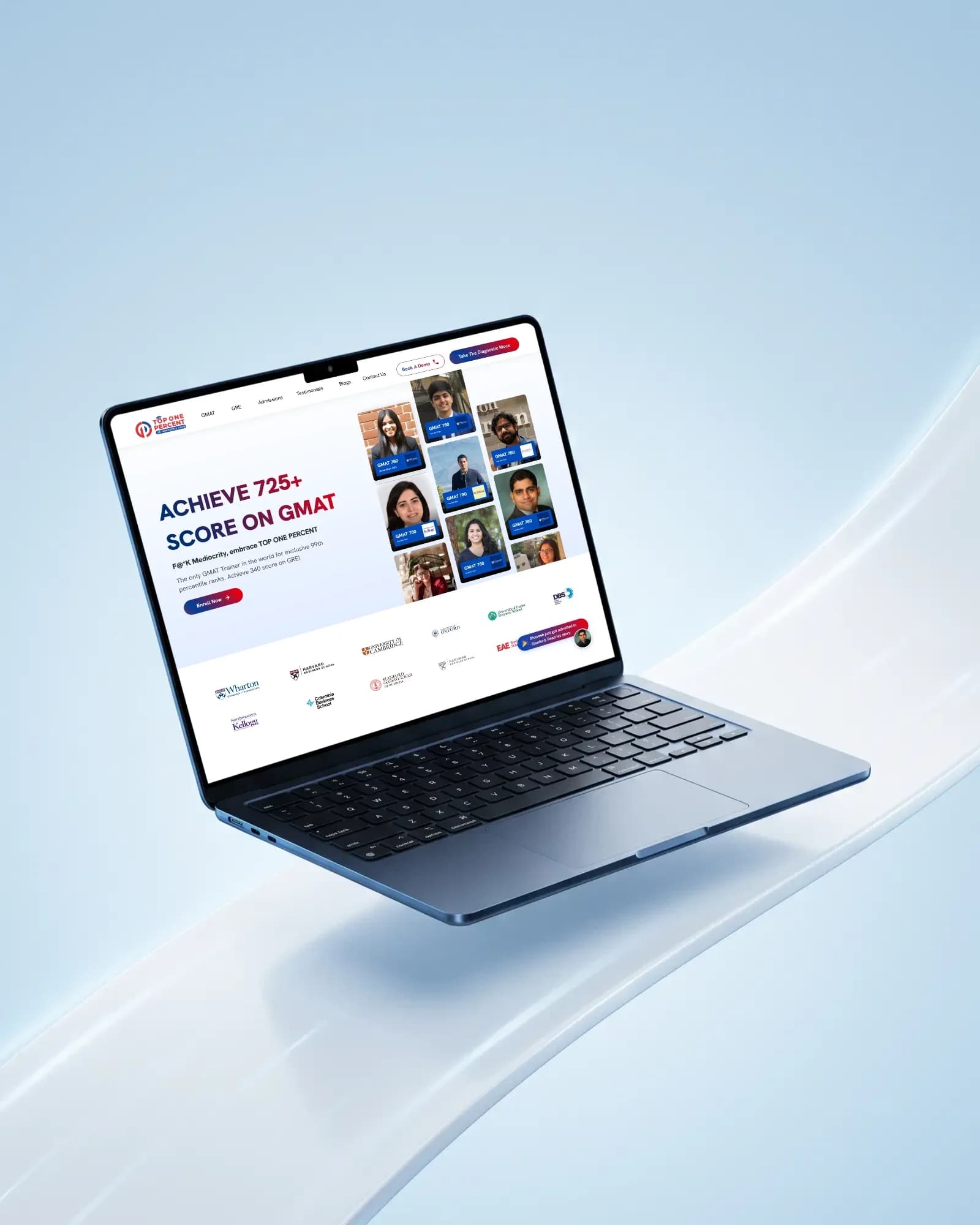
Top One Percent
Top One Percent: a website that turns GMAT aspirants into students
The whole website for a GMAT and GRE coaching brand, designed to be found and to convert, with fewer drop-offs along the way. Sign-ups rose 20%.
How I can help
Product & UX Design
Apps, websites and dashboards for products with real complexity underneath. I design the flows first and the pixels second, so the result is calm to use and straightforward to build.
Discuss thisBranding & Marketing
Identities that are easy to recognise and hard to forget, plus the campaign and AI-assisted graphics that keep them consistent once they are out in the world.
Discuss thisUX Research & Audit
Evidence before opinion. I find out what users actually do, where the product loses them, and which fixes will move the numbers you care about.
Discuss this
Edtech, asked often
Both, and they are very different. Children need simplicity and safety; adults need flexibility and respect for their time. I research with the actual age group either way.
Yes. I start with where learners drop off and why, then redesign the moments around it: goals, reminders, progress and the first lessons.
Yes. A lesson template that content teams can fill consistently is often worth more than any single screen.