Enterprise software people choose to use
The problems I hear most
- .01
Every feature request became a new screen
Years of shipping on demand leave a product that does everything and explains nothing. Navigation is the first thing to break.
- .02
Onboarding depends on a customer success call
If a new account cannot reach value without a human walking them through, growth is capped by headcount, not by demand.
- .03
Power users and new users want opposite things
Shortcuts, density and bulk actions for one; guidance and safe defaults for the other. Most products choose one and lose the other.
- .04
The product looks older than the company
A dated interface quietly costs deals. Buyers judge reliability by what they see in the first five minutes of a demo.
What good looks like in Enterprise SaaS
- Information architecture that still makes sense at fifty features
- Self-serve onboarding that reaches a first win without a call
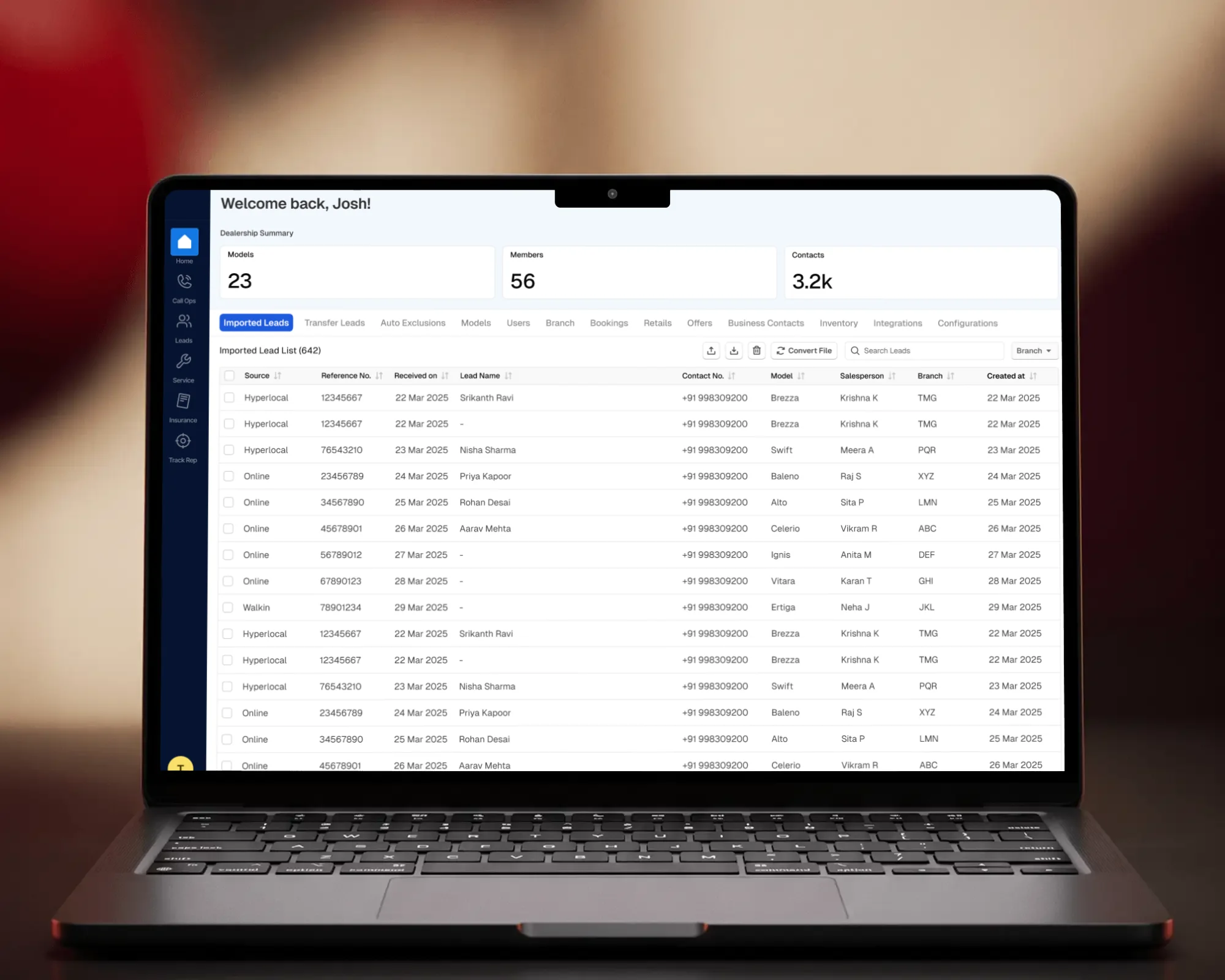
- Dense tables and bulk actions designed for people who use them all day
- Roles, permissions and settings that admins can actually reason about
- A design system so new modules ship looking like the rest of the product
How I can help
Product & UX Design
Apps, websites and dashboards for products with real complexity underneath. I design the flows first and the pixels second, so the result is calm to use and straightforward to build.
Discuss thisUX Research & Audit
Evidence before opinion. I find out what users actually do, where the product loses them, and which fixes will move the numbers you care about.
Discuss thisProduct Strategy Consulting
For teams building something complex. A senior second opinion on positioning, product direction and the design decisions that are expensive to reverse.
Discuss this
Enterprise SaaS, asked often
Yes. I usually start with the highest-traffic flow and a small design system, so every new feature after that ships in the new style. Big-bang redesigns rarely survive contact with a live roadmap.
Always. I join your rituals where it helps, design in your Figma, and hand over components and specs your engineers can build from without a translation layer.
A mix of short calls with real operators, product analytics and support tickets. Even five conversations with the people who use the product daily changes the design.